Over the years, the way people access information about traditional games and results has changed significantly. With the growth of internet access and digital platforms, information that was once shared through local networks is now available through websites and online resources.
Matka is one such traditional number-based betting activity that has evolved in the digital environment. While traditional Matka relied on offline communication and local networks, online Matka platforms have changed how people access related information, game updates and results.
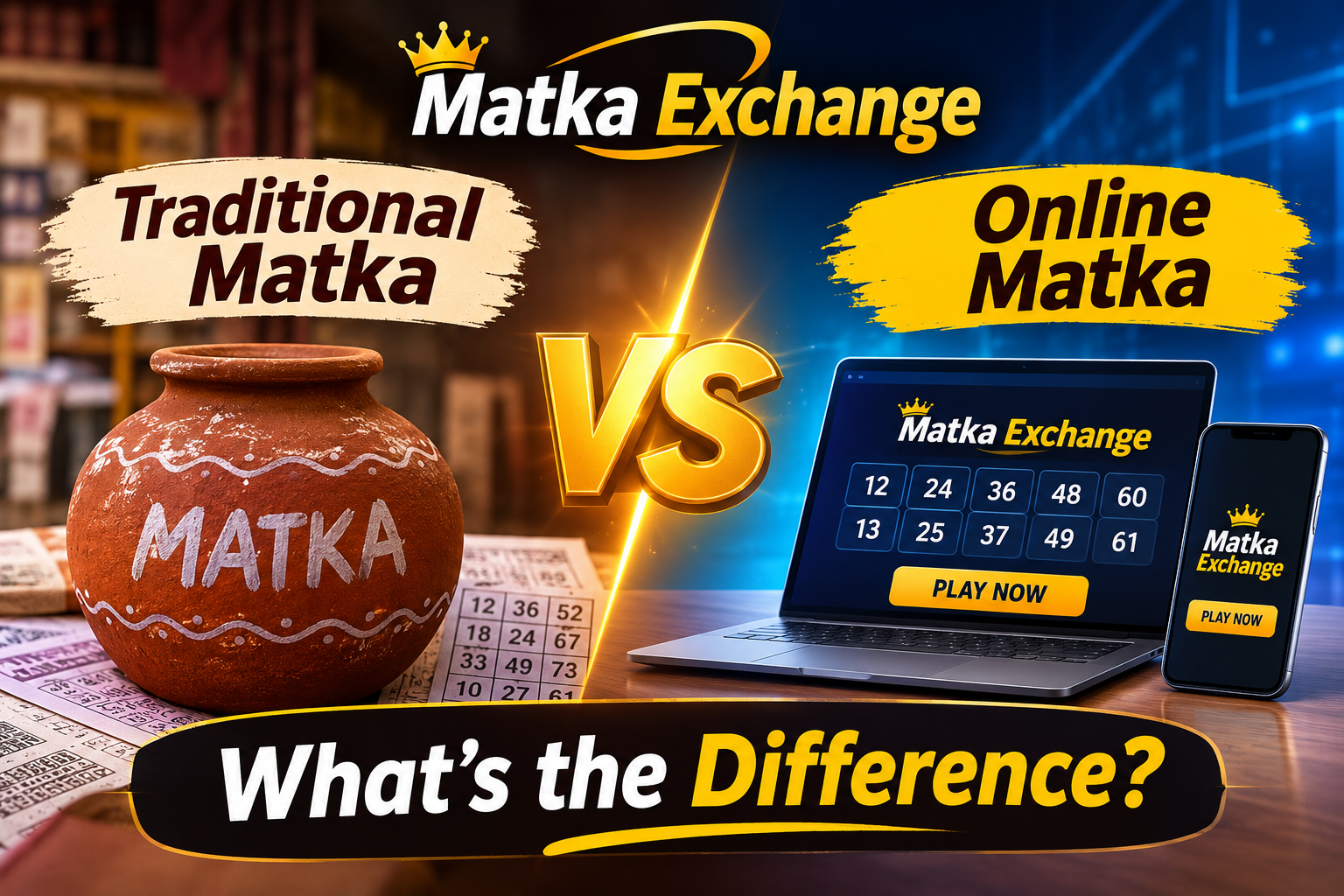
But what exactly is the difference between traditional Matka and online Matka? Let’s understand their key differences, features and associated considerations.
1. What Is Traditional Matka?
Traditional Matka refers to an older form of number-based betting that developed through local networks and physical interactions.
In its traditional format, information was generally communicated through local contacts, printed records or other offline channels. Access to results and updates often depended on geographical location and the availability of local information sources.
This approach involved limited accessibility, as participants generally relied on established local networks to obtain information.
2. What Is Online Matka?
Online Matka refers to the digital availability of Matka-related information, game updates and results through internet-based platforms.
Instead of depending entirely on offline sources, visitors can access organised information through websites using computers or mobile devices.
Platforms such as MatkaExch provide an online destination where visitors can explore Matka-related information, results, game updates and useful resources.
The focus of such platforms is on making relevant information easier to find through an organised website structure and a user-friendly browsing experience.
3. Traditional Matka vs Online Matka: Key Differences
Although both relate to the same broader activity, their information-sharing methods and accessibility differ.
A. Accessibility
Traditional Matka information was generally shared through local networks and physical sources. Access could depend on location and personal connections.
Online Matka platforms make related information accessible through internet-connected devices, allowing visitors to browse from different locations.
B. Availability of Information
In traditional settings, users often depended on multiple local sources for information and results.
Online platforms can organise different types of information in one place, making it easier to navigate between updates and related resources.
C. Communication Methods
Traditional Matka relied heavily on offline communication methods.
Online platforms use websites and digital interfaces to present information in an organised format, reducing the need to search through multiple offline sources.
D. User Experience
Traditional information-sharing methods could involve multiple steps to locate specific details.
Modern websites generally focus on straightforward navigation, organised categories and mobile-friendly browsing to improve the overall user experience.
E. Updates and Results
Traditional updates were commonly communicated through local channels.
Digital platforms can publish updates and results online, helping visitors find relevant information more conveniently. However, the accuracy and timeliness of information depend on the individual platform and its sources.
4. How Has Technology Changed Access to Matka Information?
Technology has changed how people discover and access information across many industries, and Matka-related information is no exception.
Some important developments include:
- Mobile Accessibility: Websites can be accessed through smartphones, making information available beyond desktop computers.
- Organised Information: Digital platforms can arrange results, updates and resources into different sections.
- Convenient Navigation: Search and navigation features help visitors locate specific information.
- Centralised Resources: Multiple information categories can be presented through a single website.
- Regular Updates: Online publishing allows platforms to share new information without relying on physical distribution.
These developments highlight the shift from traditional information-sharing methods to digital access.
5. Understanding the Risks and Legal Considerations
While digital platforms provide easier access to information, it is important to understand that online availability does not automatically make every activity legal or safe.
Matka-related betting activities can involve financial losses, misleading information and other risks.
Before engaging with any online platform, consider the following:
- Check the applicable laws in your state or jurisdiction.
- Do not assume that a website is authorised simply because it is accessible online.
- Be cautious about claims of guaranteed results or assured profits.
- Avoid sharing sensitive personal or financial information with unverified websites.
- Never treat betting as a reliable source of income.
In India, gambling and betting laws vary by state, and users should understand the applicable legal restrictions before participating in any related activity.
6. MatkaExch: Accessing Matka-Related Information Online
As information consumption moves towards digital platforms, websites are increasingly focused on providing organised and accessible resources.
MatkaExch is an online platform focused on Matka-related information, results, game updates and useful resources.
Its website structure aims to make browsing straightforward, helping visitors find relevant information through an organised interface.
The platform focuses on:
- Matka-related information and resources.
- Updates covering different Matka games.
- Access to available results and related information.
- A simple interface for convenient browsing.
- Organised content that helps visitors locate relevant updates.
By bringing different information categories together, MatkaExch aims to offer a convenient online browsing experience.
Conclusion
The difference between traditional Matka and online Matka largely comes down to how information is accessed, organised and communicated.
Traditional Matka relied on local networks and offline communication, whereas online platforms use websites and digital resources to make related information more accessible.
Platforms such as MatkaExch reflect this shift towards organised online information and convenient browsing.
However, easier digital access should not be confused with legal approval or financial safety. Understanding applicable laws and the risks associated with betting activities remains essential.
Frequently Asked Questions (FAQs)
1. What is the main difference between traditional Matka and online Matka?
Traditional Matka relied mainly on offline communication and local networks, whereas online Matka platforms provide access to related information, updates and results through internet-based websites.
2. How do online Matka platforms provide information?
Online platforms organise Matka-related information, game updates and available results into website sections, allowing visitors to browse relevant resources through computers and smartphones.
3. What is MatkaExch?
MatkaExch is an online platform focused on providing Matka-related information, results, game updates and useful resources through an organised and user-friendly website.
4. Is online Matka legal in India?
The legality of Matka-related betting depends on applicable Indian laws and state-specific regulations. Online availability does not make an activity legal. Users should verify the laws applicable in their location before participating in any betting-related activity.